
Brake Pads vs. Brake Rotors: Which One Does Your Waipahu Car Actually Need?
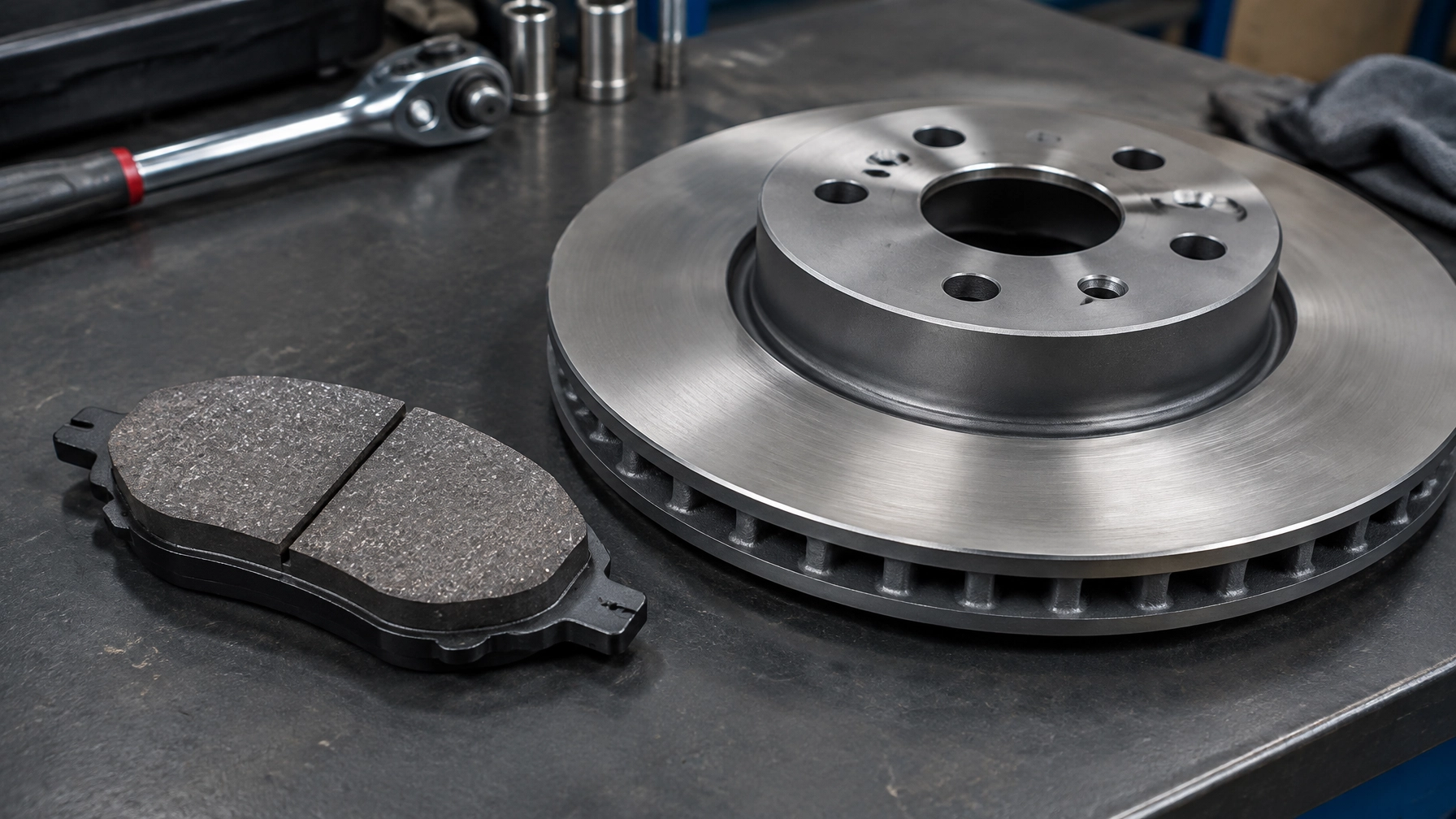
When your brakes start squeaking, grinding, or vibrating, the first question is often: Do I need brake pads, brake rotors, or both?
That is a fair question. Brake pads and rotors work together, but they are different parts with different jobs. Replacing one does not automatically mean replacing the other: and a trustworthy brake inspection should explain exactly why a part needs service.
For drivers looking for brake repair in Waipahu, understanding the difference can help you make a confident decision instead of feeling pressured into unnecessary work. Here is what each component does, what warning signs to watch for, and how a proper inspection determines the right repair for your vehicle.
What Brake Pads Do
Brake pads are the replaceable friction components in your braking system. When you press the brake pedal, hydraulic pressure moves the caliper, squeezing the pads against the spinning rotor.
That friction slows the wheel and brings your vehicle to a stop.
Because they are designed to wear down, brake pads are a maintenance item: much like tires or windshield wipers. Their lifespan depends on your vehicle, driving habits, traffic, terrain, and the type of pad installed.
Stop-and-go commuting, frequent steep-road braking, heavy loads, and repeated sudden stops can all use up pad material faster.
Signs Your Brake Pads May Be Worn
Common symptoms of worn brake pads include:
- A high-pitched squeal when braking
- A grinding or scraping sound
- Longer stopping distances
- A brake pedal that requires more pressure than usual
- A brake warning light on some vehicles
- A visible pad that looks very thin through the wheel spokes
Many brake pads include a small metal wear indicator. When the friction material becomes low, the indicator can touch the rotor and create a noticeable squeal. That sound is a useful warning that it is time for an inspection.
Grinding is more urgent. It can mean the friction material has been worn away and the metal backing plate is contacting the rotor. Continuing to drive in that condition may turn a relatively straightforward pad replacement into a larger repair involving the rotors, calipers, or other components.
A technician will measure the remaining pad material rather than relying on sound alone. A pad may squeak because of dust, moisture, or surface glazing, while another pad may be dangerously thin without making much noise.
What Brake Rotors Do
Brake rotors are the flat, round metal discs attached to the wheel hubs. The pads clamp onto the rotor’s surface to create the friction needed to slow the vehicle.
Rotors must remain within the manufacturer’s thickness specifications and have a reasonably smooth, even braking surface. They can wear down, develop grooves, become heat-damaged, or corrode over time.
Unlike pads, rotors are not automatically replaced at every brake service. Whether they can be reused depends on their condition and measured thickness.
Signs Your Brake Rotors May Need Service
Rotor problems often create sensations rather than just sounds. Pay attention to:
- A pulsing brake pedal
- Steering-wheel vibration while braking
- Shaking through the seat or vehicle body
- Deep grooves or scoring on the rotor surface
- Blue or dark heat spots
- A pronounced rust ridge around the outer edge
- Scraping that continues after new pads are installed
- Cracks, severe pitting, or excessive corrosion
A steering wheel that shakes when you brake often points toward an issue with the front brake assemblies. A vibration felt more through the seat or body may involve the rear brakes. However, these symptoms can overlap with tire, wheel, suspension, or hub problems, so testing and inspection matter.
The term “warped rotor” is commonly used, but uneven rotor thickness, heat-related changes, improper bedding, or uneven pad deposits can all contribute to brake pulsation. The important point is that a technician should identify the actual condition instead of automatically selling you new rotors based on a single symptom.
Pads vs. Rotors: Which Part Does Your Car Need?
The short answer is: it depends on measurements and condition.
You may need pads only when:
- The pads are below the vehicle manufacturer’s recommended service thickness
- The wear is even
- The rotor surface is smooth and serviceable
- The rotor remains above its minimum thickness specification
- There are no serious grooves, cracks, heat spots, or corrosion concerns
You may need rotors as well when:
- The rotor is below its discard thickness
- Deep grooves have damaged the braking surface
- The rotor has significant thickness variation
- There are cracks, severe pitting, or heavy corrosion
- Heat damage has created blue spots or hard areas
- The rotor cannot be safely resurfaced
- The pads have worn down to metal and damaged the rotor
In some cases, rotors can be resurfaced. That means removing a small amount of material to restore a more even surface. Resurfacing is only appropriate when the rotor can remain safely above its minimum thickness and the resulting surface will be suitable for the new pads.
If the rotor is already too thin or badly damaged, replacement is the safer long-term option.
Why Waipahu Driving Conditions Can Increase Brake Wear
Your brakes experience more than simple mileage. The conditions surrounding your daily driving affect how much heat, friction, and corrosion the system faces.
Stop-and-Go Traffic
Frequent braking in traffic means your pads are working repeatedly instead of cooling during longer stretches of open-road driving. Commuting around Waipahu and the wider Oahu area can involve repeated stops, congested intersections, and quick changes in speed.
That pattern can accelerate pad wear and increase heat buildup. Over time, excessive heat may contribute to glazed pads, rotor discoloration, brake noise, or reduced braking performance.
Humidity and Salt Air
Hawaii’s humid, coastal environment can encourage corrosion on exposed metal brake components. Surface rust after rain or overnight moisture is not always a serious problem; light rust may clear after normal braking.
The concern is persistent corrosion, especially when it creates deep pitting, rough rotor surfaces, seized hardware, or uneven pad contact. Vehicles regularly exposed to salt air may need more careful inspections even when their mileage is relatively low.
Hills, Curves, and Heavy Loads
Descending roads, carrying passengers, or driving with a loaded vehicle places additional demand on the braking system. Riding the brakes downhill keeps the pads and rotors hot. When possible, allow the vehicle to slow gradually and use appropriate lower gearing rather than relying entirely on continuous pedal pressure.
These habits will not eliminate normal wear, but they can help reduce unnecessary heat and extend the life of your braking components.
How a Proper Brake Inspection Determines What You Need
A reliable brake inspection should be more detailed than a quick look through the wheel.

Our technicians should inspect the brake system as a complete unit, including:
- Inner and outer pad thickness
- Evenness of pad wear from side to side
- Rotor thickness compared with the manufacturer’s specification
- Rotor surface condition
- Caliper operation and hardware
- Brake hoses and fluid condition
- Signs of overheating or dragging
- Wheel and tire concerns that could affect braking sensations
Uneven pad wear may indicate a sticking caliper, restricted hardware, or another issue that needs to be addressed. Replacing the pads without correcting the underlying problem can lead to premature wear and another repair bill.
A proper road test also helps connect the physical condition to your symptoms. Does the pedal pulse? Does the car pull? Does the vibration happen only at higher speeds? Does the noise occur while braking or while driving? Those details help separate a brake concern from a wheel, tire, or suspension issue.
At Capitol Auto Service, our ASE-certified technicians use inspection findings and measurements to explain what your vehicle actually needs. For more background on why accurate diagnosis matters, read our guide to ASE-certified technicians and more precise repairs.
Why Choosing the Cheapest Brake Repair Can Backfire
Saving money is important, but the lowest initial price is not always the lowest overall cost.
Installing new pads on severely grooved or undersized rotors can cause poor contact, noise, uneven wear, and disappointing braking performance. On the other hand, replacing perfectly serviceable rotors adds cost without necessarily improving safety or performance.
The right approach is not “replace everything” or “replace as little as possible.” It is to replace the components that fail inspection and explain the reason clearly.
Quality parts and correct installation also matter. Brake components need clean mounting surfaces, properly serviced hardware, correct torque, and appropriate bedding procedures. A rushed installation can create problems even when the parts themselves are new.
For a broader look at keeping your braking system dependable on Hawaii roads, see our brake maintenance guide.
Get an Honest Brake Inspection in Waipahu
Brake pads and rotors are partners, but they do not always need to be replaced together. Pads are friction material designed to wear. Rotors are durable braking surfaces that may last through multiple pad changes: or may require replacement sooner because of heat, corrosion, grooves, or insufficient thickness.
If you hear grinding, feel vibration, notice a longer stopping distance, or see a brake warning light, do not guess at the repair. Have the system inspected before a small maintenance need becomes a more expensive safety problem.
Capitol Auto Service provides straightforward brake repair in Waipahu for drivers who want accurate answers and fair recommendations. Contact our team to schedule an inspection and find out whether your vehicle needs pads, rotors, both, or a different repair entirely.
Related Posts

5 Steps to Prep Your Car for Hawaii’s Rainy Season (Easy Guide for Waipahu Drivers)
Hawaii’s rainy season runs roughly from October through April, making October a smart time to give your vehicle a seasonal health checkup. A few minutes spent checking your tires, visibility, battery, and drainage can help you avoid surprises when heavy…


5 Signs Your Suspension Is Failing (And Why Waipahu’s Potholes Make It Worse)
Your vehicle’s suspension does much more than make the ride comfortable. Springs, shocks, struts, control arms, bushings, ball joints, and related components help keep your tires connected to the road. That contact matters when you brake, turn, accelerate, or avoid…

7 Mistakes You’re Making with Your Car’s Brake Repair (and How to Fix Them)
Living in Waipahu, we all know the drill. Whether you’re merging onto the H-1 during morning rush hour or navigating the winding roads toward the North Shore, your brakes are the unsung heroes of every commute. They work harder here…