Looking For a Check Engine Light Diagnosis? Here Are 5 Things You Should Know
It is a situation almost every driver in Waipahu has faced: you are cruising down Farrington Highway or heading home from the Waipahu Town Center when a small, amber glow appears on your dashboard. The check engine light. For some, it sparks immediate anxiety; for others, it is an annoyance to be ignored until the next safety inspection.
At Capitol Auto Service, we believe that understanding what your vehicle is trying to tell you is the first step toward maintaining a reliable, safe, and cost-effective car. Ignoring that light is not just a gamble with your afternoon plans: it is a gamble with your wallet and your safety.
If you are currently looking for a check engine light diagnosis, here are five essential things you need to know to protect your investment and keep your vehicle on the road for years to come.
1. The Light’s Behavior Dictates Your Next Move
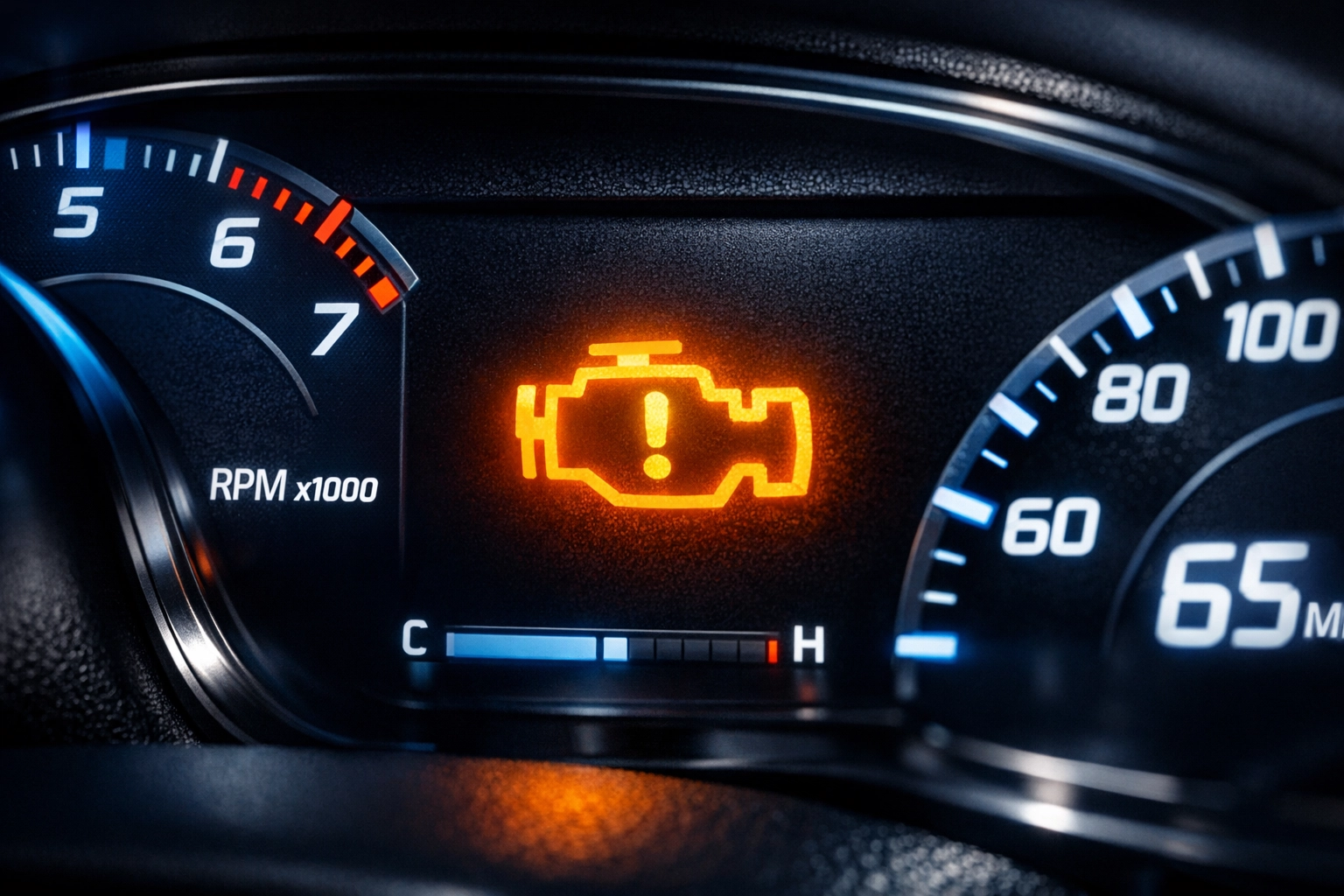
Not all check engine lights are created equal. The way the light behaves is your car’s primary way of communicating the level of urgency. Understanding this distinction can prevent a minor issue from turning into a catastrophic engine failure.
The Steady Glow
If the light is solid and the car seems to be driving normally, the onboard computer has detected a problem that needs attention soon. It might be an emissions issue or a faulty sensor. While you do not necessarily need to pull over immediately, you should schedule a visit to a mechanic waipahu as soon as possible. Driving for weeks with a steady light can lead to decreased fuel efficiency and extra wear on engine components.
The Flashing Warning
A flashing check engine light is an emergency. This usually indicates an “engine misfire” so severe that unburned fuel is being dumped into the exhaust system. This can quickly destroy your catalytic converter: a repair that can cost thousands of dollars. If your light is flashing, we recommend you pull over safely and seek professional auto repair waipahu immediately. Do not continue driving, as you risk permanent engine damage.
2. A Diagnostic Code Is a Map, Not a Destination
A common misconception is that the “code” pulled from your car’s computer tells the mechanic exactly what part to replace. You might see ads for free “code reading” at parts stores, but there is a major difference between reading a code and performing a professional check engine light diagnosis.
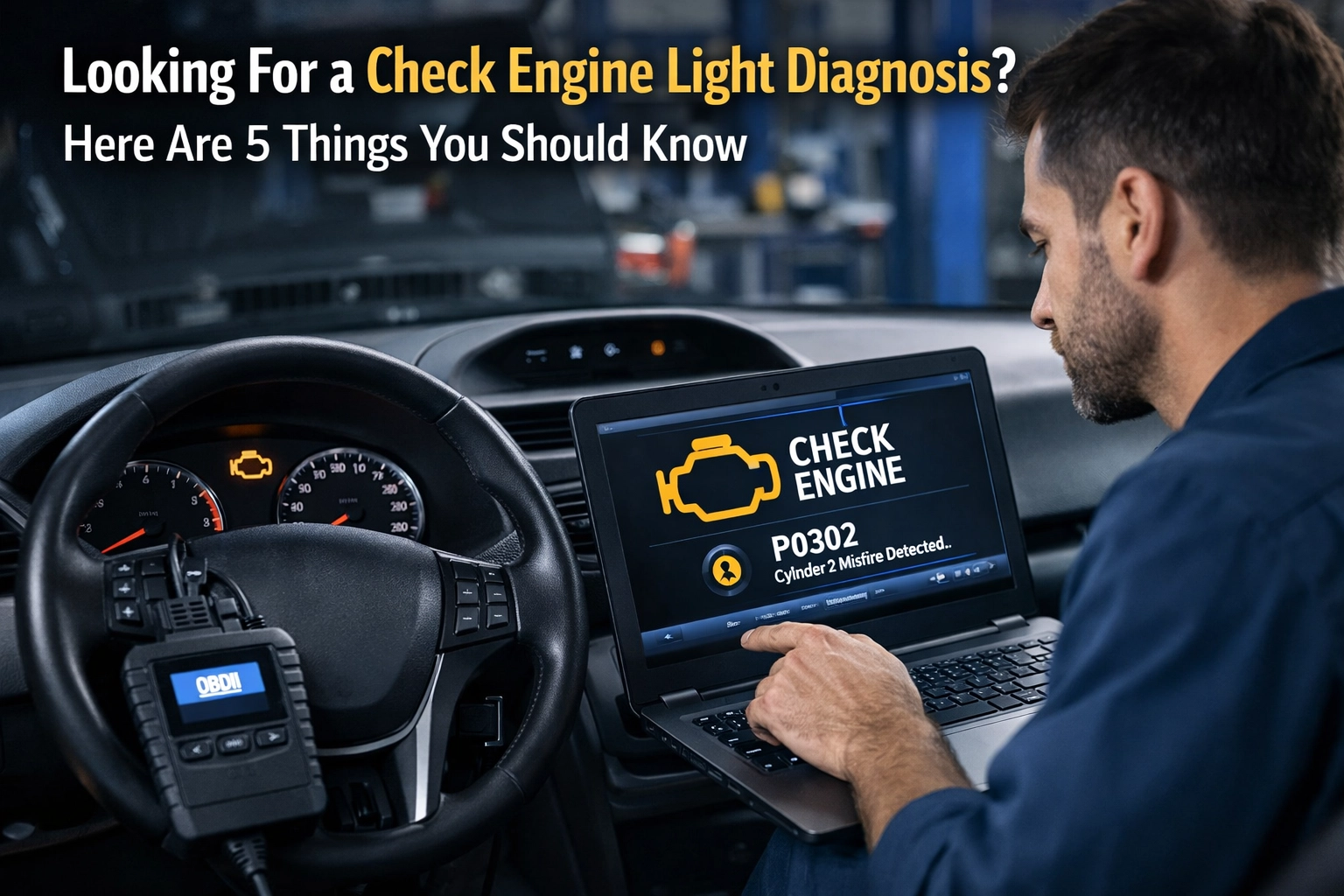
When we plug our professional OBD2 scanners into your vehicle, we receive a Diagnostic Trouble Code (DTC), such as “P0301.” This code indicates a specific system or circuit is malfunctioning: in this case, a misfire in cylinder one. However, the code does not tell us why it is misfiring. It could be:
- A worn-out spark plug.
- A failing ignition coil.
- A clogged fuel injector.
- A mechanical engine problem.
Simply replacing parts based on the code alone is often a waste of money. Our team uses these codes as a starting point to perform targeted testing, ensuring we fix the root cause the first time.
3. Simple Visual Checks Can Sometimes Save You a Trip
Before you assume the worst, there are a few simple things you can check yourself. While modern cars are complex, some check engine light triggers are surprisingly low-tech.
The Gas Cap Test
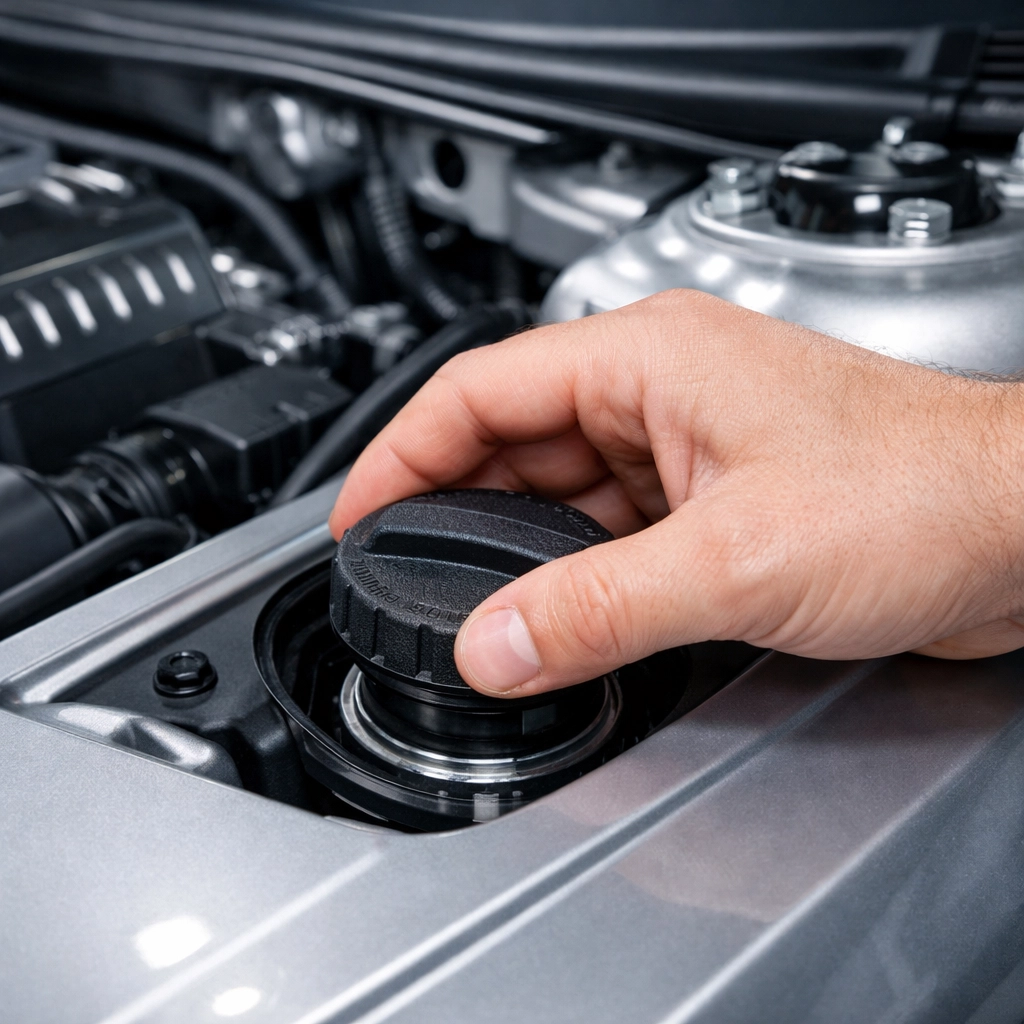
One of the most common reasons for a check engine light in Hawaii’s humid climate is a loose, damaged, or incorrect gas cap. Your car’s fuel system is pressurized; if the cap isn’t sealed tightly, the system detects a “leak” in the evaporative emissions.
- The Solution: Check if your gas cap is tight. If the seal looks cracked or worn, replacing it is an inexpensive first step. Note that it may take a few trips for the light to reset itself after tightening the cap.
Fluid Levels and Battery Health
Low oil pressure or overheating can sometimes trigger engine-related warnings. Check your dipstick and coolant levels. Additionally, a dying battery or corroded terminals can cause the vehicle’s computer to receive inconsistent voltage, which may trigger “ghost” codes.
If these simple checks don’t resolve the issue, it’s time to bring your vehicle to us for a professional look. We serve the community with reliable car repair waipahu, helping you avoid unnecessary stress.
4. Why Professional Diagnosis is a Long-Term Investment
It is tempting to view a diagnostic fee as an extra expense. However, in the world of automotive maintenance, a professional diagnosis is actually an investment that saves you money over the life of your vehicle.
Precision Saves Parts Costs
Without a proper diagnosis, you might spend hundreds of dollars “parts-changing”: replacing sensors and components hoping to hit the right one. When we perform a check engine light diagnosis, we use specialized equipment to verify exactly which component has failed. You only pay for the repair you actually need.
Protecting Your Fuel Economy
Many check engine light issues are related to the air-fuel mixture. When your car is in “limp mode” or running on a default map because of a faulty sensor, your fuel economy can drop by as much as 40%. Given the price of gas around Oahu, fixing the problem quickly pays for itself at the pump.
Safety and Peace of Mind
Your engine is a complex machine. Small problems, like a vacuum leak or a failing oxygen sensor, can affect how your car accelerates or handles idling. By addressing these issues early, we ensure your vehicle remains predictable and safe for your family, whether you’re navigating school zones or driving the H-1.
5. Understanding the “P” in the Code
When you receive your diagnostic report from a mechanic waipahu, you will often see codes starting with the letter ‘P’. This stands for “Powertrain.” The powertrain includes your engine, transmission, and everything that helps move the car.
Because these systems are so interconnected, a problem in one area can affect another. For example, an engine issue can sometimes cause the transmission to shift harshly because the computer is trying to protect the vehicle. This is why a holistic approach to car repair waipahu is so important. We don’t just look at the light; we look at the vehicle as a whole to ensure every system is working in harmony.

Don’t Let the Light Lingering
The check engine light is not a suggestion: it is an early warning system designed to protect your vehicle from expensive failures. In Waipahu, our stop-and-go traffic and coastal air can be tough on sensors and electrical components. Regular maintenance and prompt attention to dashboard warnings are the best ways to ensure your car stays reliable for the long haul.
At Capitol Auto Service, we pride ourselves on being the trustworthy experts you can turn to when that orange light appears. We combine high-tech diagnostic tools with years of hands-on experience to provide clear answers and honest solutions.
If your check engine light is on, don’t wait for a breakdown to happen. Bring your vehicle to the experts who know auto repair waipahu best. We will identify the problem, explain your options, and get you back on the road with confidence.
Ready for a professional check engine light diagnosis?
Contact Capitol Auto Service today or visit us to schedule your appointment. Let’s keep your car running smoothly and safely!
Related Posts

5 Steps to Prep Your Car for Hawaii’s Rainy Season (Easy Guide for Waipahu Drivers)
Hawaii’s rainy season runs roughly from October through April, making October a smart time to give your vehicle a seasonal health checkup. A few minutes spent checking your tires, visibility, battery, and drainage can help you avoid surprises when heavy…


Brake Pads vs. Brake Rotors: Which One Does Your Waipahu Car Actually Need?
When your brakes start squeaking, grinding, or vibrating, the first question is often: Do I need brake pads, brake rotors, or both? That is a fair question. Brake pads and rotors work together, but they are different parts with different…

5 Signs Your Suspension Is Failing (And Why Waipahu’s Potholes Make It Worse)
Your vehicle’s suspension does much more than make the ride comfortable. Springs, shocks, struts, control arms, bushings, ball joints, and related components help keep your tires connected to the road. That contact matters when you brake, turn, accelerate, or avoid…